Wine Tasting: A Designer’s Review for Craft Fairs
As an embroidery designer who has spent countless weekends standing behind booths at local markets, I know that not every machine embroidery design translates well from the screen to a sellable craft fair product. When I first loaded the Wine Tasting file into my digitizing software, I was looking for more than just aesthetic appeal. I was evaluating its potential as a revenue driver for my small business. This review breaks down why this specific design is a strategic asset for Etsy sellers, boutique makers, and anyone looking to elevate their handmade product lineup.
First Impressions: Rustic Elegance Meets Market Appeal
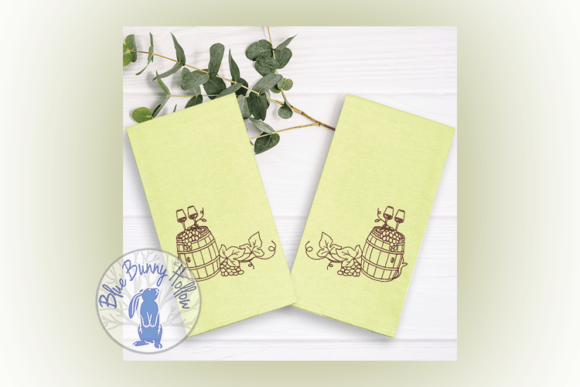
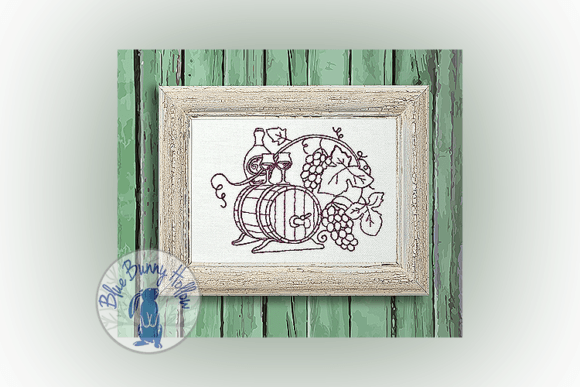
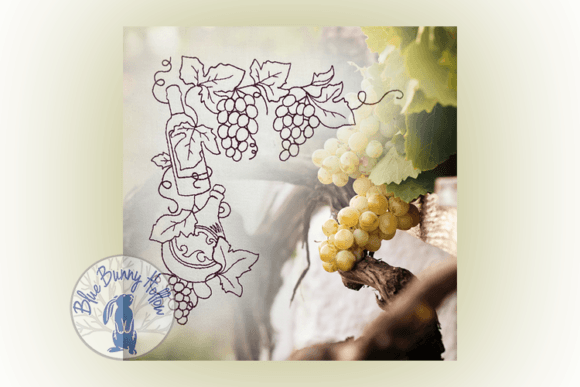
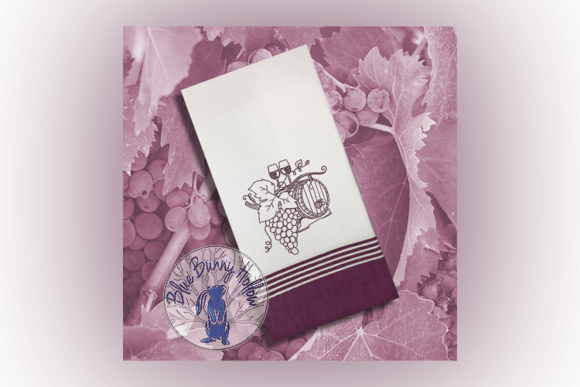
The initial glance at Wine Tasting reveals a sophisticated balance between rustic charm and refined detail. The description promises an "exquisite linework" approach, featuring a detailed wine barrel and stemmed wine glasses. In the context of current market trends, this hits the sweet spot between farmhouse decor and modern minimalism. It does not scream for attention with neon brightness; instead, it invites closer inspection. For a craft fair setting, this is crucial. You want designs that stop the scroll online and pause the walk in person.
The linework style suggests a premium feel. Unlike heavy, satin-stitch-heavy designs that can look bulky on certain fabrics, linework tends to lay flat and feel integrated into the textile. This makes Wine Tasting versatile. It feels appropriate for a high-end kitchen boutique just as much as it fits a casual weekend market stall. The subject matter—wine culture—is evergreen. It appeals to gift buyers, hostesses, and self-proclaimed oenophiles alike, ensuring a broad customer base.
Product Versatility: Where This Design Shines
To maximize return on investment, you need a design that performs across multiple substrates. Here is how Wine Tasting performs on key items:
- Tote Bags: This is arguably the best application. A canvas tote with this tote bag design centered or placed on the lower corner becomes an instant lifestyle accessory. The linework contrasts beautifully against natural cotton or hemp fabrics.
- Aprons: An apron embroidery project using this motif transforms a utility item into a giftable keepsake. Placing the wine barrel and glasses on the bib or the lower skirt of the apron creates a focal point that celebrates culinary and wine enthusiasm.
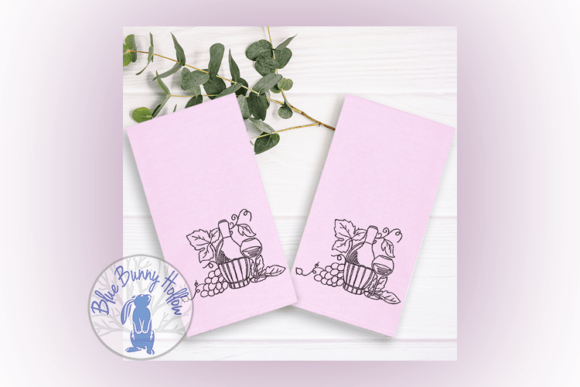
- Tea Towels: For tea towel embroidery, scale is everything. If the design is too large, it overwhelms the narrow fabric. However, if scaled correctly, it adds a touch of elegance to kitchen linens, making them perfect for housewarming gifts.
- Embroidered Patches: Creating an embroidered patch allows customers to buy the art without committing to a full garment. Patches are low-cost, high-margin small shop products that impulse buyers love.
- Pillow Covers: Linework designs look exceptional on home decor. A neutral linen pillow cover with this design stitched in a contrasting thread color adds texture without visual clutter.
Production Practicality and Batch Efficiency
From a production standpoint, time is money. When preparing for a busy season, I look for designs that are repeatable and reliable. Wine Tasting appears to be optimized for efficiency. Linework designs generally have lower stitch density compared to filled areas, which means less thread breakage and faster run times. This is vital when you are producing fifty tote bags for a Saturday morning sale.
However, practical judgment is required. Because the design features intricate details like stemmed glasses and barrel slats, you must consider the fabric texture. Smooth, tightly woven fabrics like quilting cotton, canvas, or linen will yield the crispest results. Avoid highly textured towels or loose-weave burlap unless you use a significant amount of backing, as the fine lines may get lost or distort.
Photography is another critical factor. This design photographs exceptionally well for online listings. The clean lines create strong shadows and highlights under natural light, making your printable mockup or real-life photos pop on social media. For an Etsy seller, this visual clarity can significantly increase click-through rates.
Careful-Use Notes and Technical Considerations
While Wine Tasting is a strong contender for your portfolio, there are technical nuances to address before you hit "start" on your machine. Since the prompt does not specify exact technical data, you must verify these details in your digital embroidery file documentation:
- Hoop Size: Confirm the required hoop size. If the design is large, ensure your machine can accommodate it. If it is small, consider whether it works as a standalone piece or needs companion text.
- Stabilizer Selection: Linework requires stability to prevent puckering. Use a cut-away stabilizer for stretchy fabrics like t-shirts or caps, and a tear-away for stable wovens like tote bags. Proper stabilization ensures the "exquisite" look remains crisp after washing.
- Thread Colors: The choice of thread colors will define the mood. Monochromatic stitching (e.g., cream thread on a cream bag) offers a subtle, tonal luxury look. High contrast (e.g., burgundy or gold on navy) makes the design bold and festive. Test both to see what aligns with your brand.
- Small Details: Check the tiniest elements, such as the rim of the wine glass. If these are too small, they may not stitch out cleanly on textured fabrics. Always run a test stitch on scrap fabric identical to your final product.
- Curved Surfaces: If applying this to caps, remember that the curved surface distorts perspective. You may need to adjust the placement or rotate the design slightly to ensure it looks correct when worn.
Enhancing Brand Consistency and Buyer Engagement
Incorporating Wine Tasting into your lineup does more than add a product; it strengthens your brand narrative. If your shop focuses on hospitality, kitchenware, or relaxed living, this design reinforces that identity. It signals to customers that you understand their lifestyle. When buyers see a cohesive collection of wine-themed items, they are more likely to purchase multiple items, increasing your average order value.
For booth displays, use this design to create a vignette. Pair an embroidered apron with a matching tote and a set of coasters. This contextualizes the finished product, helping customers visualize how it fits into their lives. Engagement increases when customers can touch and feel the quality of the stitching. The tactile nature of linework embroidery invites touch, which is a powerful sales tool in physical markets.
Final Verdict for Creative Entrepreneurs
Before launching any commercial embroidery product, always confirm the licensing terms of your design assets. Ensure you have the right to sell finished goods made with this file. Once cleared, Wine Tasting stands out as a versatile, high-potential addition to your catalog. It balances artistic integrity with commercial viability.
My advice is to start small. Produce a limited batch of tote bags and patches. Gauge customer reaction at your next event. Monitor which colorways sell fastest. Use this data to refine your inventory. With careful attention to fabric choice and stabilization, this design can become a staple in your shop, driving sales and enhancing your reputation for quality handmade goods. Embrace the art of wine, and let your embroidery reflect the sophistication your customers crave.