Rescued: A Designer’s Review for Craft Fair Success
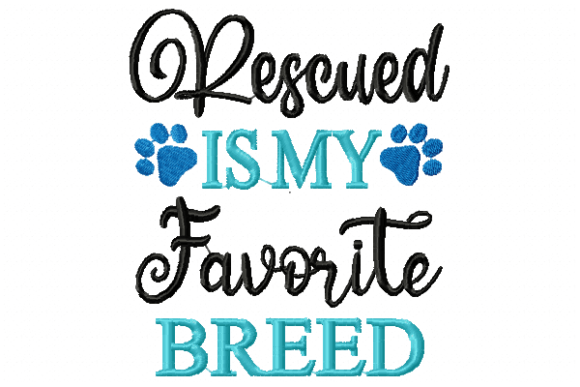
As an embroidery designer who has spent countless hours hunched over hoops and navigating the chaotic joy of weekend craft fairs, I approach every new machine embroidery design with a critical eye. It is not just about whether the stitching is clean; it is about whether the design will stop a browsing customer in their tracks. Today, I am reviewing Rescued, a charming addition to the Babies category that holds significant potential for handmade market products. When I first loaded this digital embroidery file into my software, my immediate impression was one of softness and narrative depth. The title itself suggests a story—perhaps of a rescued animal or a cherished, mended item—which resonates deeply with the current trend toward meaningful, sentimental handmade product creations.
First Impressions and Visual Appeal
The aesthetic of Rescued feels inherently gentle, leaning towards a rustic yet modern farmhouse vibe. It does not scream for attention with neon brightness but rather invites a closer look, which is exactly what you want for a boutique-style booth. For Etsy seller accounts and physical craft fair tables alike, this subtlety is a strength. It suggests quality and thoughtfulness. The design appears versatile enough to work as a focal point on a small item or as a delicate accent on a larger piece. Its visual language speaks to comfort and care, making it an ideal candidate for items intended as gifts for loved ones, as suggested by the product description.
Strategic Product Placement for Maximum Sales
To maximize the sales potential of Rescued, we must consider where it performs best. Based on its likely scale and mood, here are the top contenders for your production line:
- Tote Bag Design: Placing this embroidery on a natural canvas tote creates an instant bestseller. The contrast between the rough texture of the canvas and the soft threads of the embroidery highlights the fabric texture beautifully. It transforms a simple bag into a statement piece for parents or animal lovers.
- Apron Embroidery: A linen or cotton apron featuring Rescued on the bib or pocket adds a touch of whimsy to kitchenware. This appeals to the growing market of home cooks who value aesthetics as much as utility.
- Tea Towel Embroidery: Kitchen textiles are staple craft fair product items. Embroidering this design on the corner of a high-quality flour sack towel creates an affordable impulse buy that still feels premium.
- Pocket Reading Pillow: As mentioned in the description, this design is perfect for a reading pillow pocket. This is a high-value item often sought by parents for their children’s quiet time corners.
- Embroidered Patch: If the design scales down well without losing detail, turning it into an iron-on or sew-on patch allows customers to customize their own jackets or bags, expanding your reach beyond pre-made goods.
Production Practicality and Batch Efficiency
For those of us running a small shop product line, time is money. One of the key questions I ask when reviewing a new embroidery file is: "Can I produce this efficiently?" Rescued seems designed for repeatability. However, before committing to a large batch, you must evaluate the stitch density. If the design is too dense, it may cause puckering on lighter fabrics like tea towels. Conversely, if it is too sparse, it might not cover the fabric adequately on darker materials.
Photography is another crucial element. This design likely photographs well because of its clear lines and emotional appeal. Creating a printable mockup or staging real-life photos with natural light will help showcase the texture of the threads. For online listings, ensure you capture the dimensionality of the stitches, as this is a key selling point of commercial embroidery versus printed designs.
Technical Considerations and Careful Use
While Rescued is promising, there are technical hurdles to navigate. Always test the design on scrap fabric first. This is non-negotiable. You need to check how the thread colors interact with your chosen fabric. Dark fabrics may require an underlay or a specific color strategy to ensure the design pops. Additionally, be mindful of tiny details. If the design includes small lettering or intricate elements, these may get lost if the hoop size is too large relative to the design, or if the stabilizer is not appropriate.
Speaking of stabilizers, choosing the right one is critical. For stretchy fabrics like those used in outfits or caps, a cut-away stabilizer might be necessary to prevent distortion. For woven fabrics like tote bags or pillows, a tear-away might suffice. Always confirm the recommended hoop size for your specific machine. Since the product description notes that the Sewing Info PDF is in French, take extra care to translate any technical instructions regarding tension, needle size, or thread type to avoid costly mistakes during production.
Enhancing Brand Consistency and Buyer Engagement
Incorporating Rescued into your lineup can strengthen your brand’s narrative. If your shop focuses on cozy, family-oriented, or animal-loving themes, this design fits seamlessly. It adds to your design assets library with a piece that feels both timeless and trendy. At a craft fair, having a variety of items featuring the same design—such as a matching set of a tote bag and a tea towel—can encourage bundle purchases. It shows cohesion and professionalism.
Customer attention is often captured by storytelling. Use the title Rescued to create a connection. Perhaps share a brief story about the inspiration behind the design in your product description or on a small card at your booth. This emotional engagement can significantly increase the perceived value of the finished product.
Final Verdict for the Creative Entrepreneur
Rescued is a strong contender for your next production run. It offers the versatility needed for a diverse product range, from baby items to adult accessories. Its aesthetic aligns well with current market trends favoring heartfelt, handmade goods. However, success lies in the execution. Pay close attention to the technical details: test your tensions, choose your fabrics wisely, and respect the limitations of the design regarding size and density.
Remember, the Sewing Info PDF is in French, so ensure you understand all technical specifications before starting. Verify the commercial licensing terms to ensure you are compliant when selling finished goods. With careful preparation and a keen eye for presentation, Rescued can become a standout star in your Babies and general Embroidery collection, driving both online sales and booth traffic. Happy stitching!