Beach House Embroidery Design Review for Small Business Merch
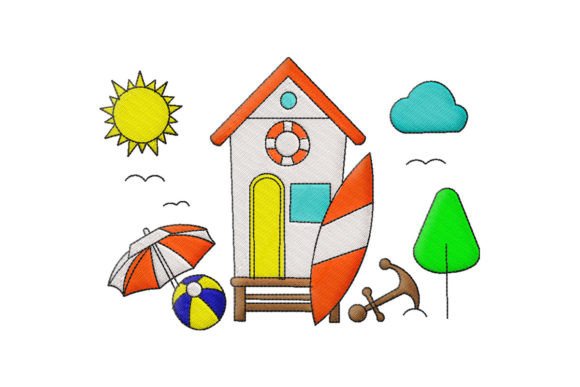
As an embroidery designer who has spent years digitizing and testing files for commercial use, I approach every new machine embroidery design with a critical eye. It is not just about whether a motif looks pretty on a screen; it is about how it performs on fabric, how it holds up in the wash, and most importantly, how it serves the brand identity of the small business owner using it. Recently, I reviewed the Beach House design, a piece that promises to celebrate coastal living with a breezy, seaside-inspired aesthetic. For entrepreneurs in the Summer product category, this design offers specific opportunities for branded merchandise, but it also requires careful consideration regarding placement and execution.
First Impressions: Visual Personality and Brand Fit
The first thing that strikes you about Beach House is its tonal balance. The description notes that it showcases the words in a style that is neither overly rigid nor excessively whimsical. This makes it highly versatile for a range of businesses. It does not scream "tourist trap"; instead, it leans into a curated, boutique feel. For a handmade brand or an Etsy seller, this distinction is vital. Customers are increasingly looking for products that feel authentic and high-quality rather than mass-produced.
The nautical theme is evident but understated. This allows the design to function as a subtle brand marker rather than a loud graphic. If you are running a local café near the coast, a florist specializing in dried arrangements, or a pet brand with a laid-back vibe, this design aligns perfectly with a relaxed yet professional image. It feels friendly and inviting, which is essential for customer engagement. However, because it relies on typography and style rather than complex iconography, the success of the final product depends heavily on your choice of thread colors and fabric texture.
Real-World Applications for Small Business Merchandise
When evaluating a digital embroidery file for commercial use, I always map out potential applications. Here is how Beach House performs across different product types:
- Embroidered Patches: This is perhaps the strongest use case. A well-digitized text-based design translates beautifully to a merrowed-edge or satin-border patch. These can be sold as standalone accessories or applied to denim jackets and canvas bags. The coastal theme appeals to a wide demographic, making it a safe bet for inventory.
- Custom Apparel and Uniforms: For beachside boutiques or rental properties, staff uniforms benefit from a cohesive look. Stitching this design on the left chest of a polo shirt or linen button-down creates a sense of unity and professionalism. It acts as a quiet logo that reinforces brand recognition without overwhelming the garment.
- Tote Bag Design: Canvas totes are a staple for eco-conscious brands. The breezy style of Beach House complements the natural texture of cotton canvas. It works well as a central focal point or as a smaller accent near the handle. This turns a simple bag into a desirable handmade product that customers are proud to carry.
- Apron Embroidery: Bakeries, coffee shops, and craft studios often use aprons as part of their visual identity. Embroidering this design on a high-quality canvas apron adds value to the employee's uniform and serves as walking advertising when staff interact with customers.
- Cap Embroidery: While tricky due to the curved surface, a simplified version of this design can work on dad hats or trucker caps. It appeals to the casual, outdoor lifestyle market. However, you must ensure the lettering is not too dense to avoid puckering on the front panel.
Technical Considerations and Production Challenges
While the aesthetic appeal is strong, technical execution is where many small business owners stumble. You cannot simply load a file and hit start. To ensure a premium finished product, you must address several technical factors.
Stitch Density and Fabric Texture: The description mentions a "breezy" style, which often implies lighter fill patterns or open lettering. This is generally good news for stitch density, as lower density reduces the risk of fabric distortion. However, if you are stitching on textured fabric like terry cloth towels or thick canvas, you must adjust your underlay stitches. Without proper stabilization, the letters may sink into the pile or appear uneven. Always test on the actual material you plan to sell.
Size and Legibility: One common mistake is scaling a design down too far. If you intend to use Beach House as a small sleeve detail or on a narrow hat brim, check the legibility of the text. Tiny lettering can merge together during stitching, especially if the thread colors lack contrast. I recommend creating a printable mockup at actual size to verify that the spacing remains clear before committing to production.
Thread Color Contrast: Since this is a text-based design, contrast is king. On dark uniforms, such as navy or black, using white or light pastel threads will make the design pop. Conversely, on light linen or white towels, consider using deep blues, teals, or sandy browns to maintain readability. Avoid low-contrast combinations like light gray on white, as the design will disappear from a distance, defeating the purpose of brand visibility.
Enhancing Brand Identity and Customer Trust
Why does the choice of embroidery matter for your bottom line? Because it directly impacts perceived value. A cheap, printed logo can peel or fade, signaling low quality to the consumer. In contrast, high-quality commercial embroidery signals durability and attention to detail. When a customer receives a tote bag or shirt with crisp, clean stitching of the Beach House design, they associate that tactile quality with your brand.
This consistency builds trust. Whether you are selling small business merch at a local farmers' market or shipping orders globally via Etsy, the visual consistency of your branding assets matters. Using the same design across your aprons, packaging inserts, and retail products creates a cohesive brand ecosystem. It tells the customer that you are a serious operator who cares about presentation. This emotional connection often leads to higher buyer engagement and repeat purchases.
Practical Designer Notes for Implementation
Before you purchase or begin production with this embroidery file, follow these steps to mitigate risk:
- Test in Black and White First: Stitch out the design in black thread on white fabric. This removes the distraction of color and allows you to judge the clarity of the letterforms and the balance of the composition.
- Check Hoop Size Compatibility: The product description does not specify exact dimensions. You must verify the hoop size requirements against your machine's capabilities. Ensure the design fits comfortably within your hoop without requiring re-hooping, which can cause alignment issues.
- Use Proper Stabilizer: For lightweight fabrics like summer linens, use a cut-away stabilizer to provide long-term support. For stable fabrics like canvas, a tear-away may suffice. Never skip this step, as it prevents puckering and ensures the design lies flat.
- Confirm Commercial Licensing: Always read the license terms associated with the digital file. Ensure you have the right to use the design for physical goods you intend to sell. Some designers restrict the number of units you can produce or require an extended license for large-scale commercial embroidery projects.
- Create Client Mockups: If you are a decorator working with B2B clients, present them with a realistic mockup. Show the design on a cap, a towel, and a shirt. This helps them visualize the end result and approves the aesthetic before you waste thread and time on samples.
In conclusion, Beach House is a promising asset for businesses targeting the coastal or summer lifestyle market. Its strength lies in its versatility and clean aesthetic. However, its success depends entirely on your technical execution. By paying attention to stitch density, fabric choice, and placement, you can transform this simple design into a powerful tool for brand building. Whether you are creating custom apparel for a boutique or branded patches for a local shop, this design offers the professional polish needed to stand out in a crowded marketplace. Treat it with the care it deserves, and it will serve your business well.