Review: Plant Seeds of Kindness 1 Embroidery Design
As a designer who has spent years staring at digitized files and watching needles punch through fabric, I have learned that not every machine embroidery design is created equal. Some look stunning on a screen but turn into a tangled mess on the hoop. Others are so simple they lack impact. Today, I am taking a close, practical look at Plant Seeds of Kindness 1, a piece from the Outdoor Quotes category. I am not just looking at the preview image; I am evaluating how this embroidery file will perform in the real world of craft businesses, custom orders, and handmade shops.
First Impressions and Visual Mood
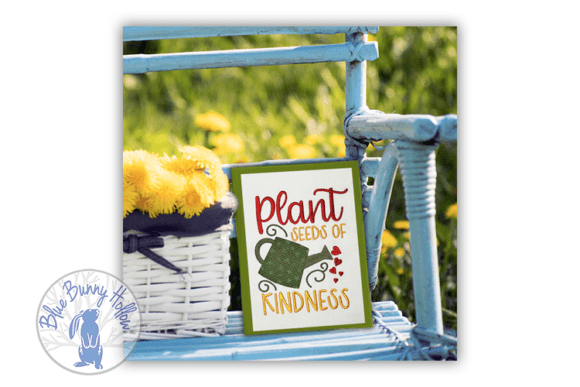
When I first opened the file for Plant Seeds of Kindness 1, the immediate sensation was one of calm. The design embraces the serenity of nature, bringing the beauty of the outdoors to life in every stitch. For those of us who are avid gardeners or simply appreciate the slow pace of nature, this theme resonates deeply. The layout feels balanced, avoiding the clutter that often plagues quote-based designs. It does not scream for attention; instead, it invites the viewer to pause.
From a technical standpoint, the visual personality of this design suggests a mix of organic shapes and clear typography. This combination is crucial for readability. In the world of Outdoor Quotes, the text must be legible without sacrificing the artistic flair of the accompanying graphics. My initial assessment is that this design strikes that balance well, making it a strong candidate for projects where emotional connection is as important as aesthetic appeal.
Real-World Application: The Tote Bag Test
To truly understand the value of an embroidery project, you have to imagine it on a finished product. I recently had a client request a set of reusable market bags for a local community garden launch. They wanted something that felt earthy, welcoming, and professional. Plant Seeds of Kindness 1 came to mind immediately.
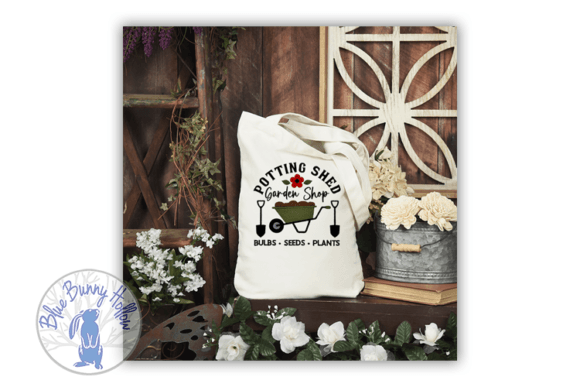
I visualized this design centered on a natural canvas tote bag design. The gardening-inspired elements would complement the raw texture of the cotton canvas perfectly. Unlike overly complex applique design options that might add unnecessary bulk, this design appears to rely on clean stitching that lays flat. This is vital for a tote bag, which needs to fold easily and withstand the weight of groceries. The "serenity" mentioned in the description translates into a product that feels high-end and thoughtful, rather than mass-produced.
For an Etsy seller or small shop owner, this kind of versatility is gold. You are not just selling a bag; you are selling a feeling. When a customer sees this stitched onto a durable canvas, they perceive higher value. It transforms a basic utility item into a personalized gift or a statement piece for their daily routine.
Performance on Apparel and Textiles
Beyond tote bags, I considered how Plant Seeds of Kindness 1 would perform on custom apparel. Imagine this on the left chest of a heavyweight crewneck sweatshirt. The sweatshirt embroidery market is huge right now, with buyers looking for subtle, meaningful details rather than loud, all-over prints. This design fits that trend perfectly.
However, we must talk about fabric texture and stitch density. If you are working with a textured fleece or a terry cloth towel, you need to ensure the design does not get lost in the pile. Based on the visual complexity, this design seems to use a combination of satin stitch for borders or text and potentially fill stitch for any botanical elements. This is generally good news, as satin stitches provide crisp edges that stand out against fuzzy fabrics. However, if the design includes very fine running stitch details, you might need to adjust your stabilizer strategy.
For baby embroidery projects, such as a nursery blanket or a onesie, the softness of the thread and the flexibility of the stitch-out are paramount. Babies move, and their clothes stretch. A design that is too dense can make the fabric stiff and uncomfortable. I would recommend testing this on a scrap piece of the exact fabric you plan to use. If the design feels rigid after stitching, consider using a softer cut-away stabilizer to maintain comfort without sacrificing stability.
Technical Considerations for the Maker
Before you load this digital embroidery file into your machine, there are several practical steps every professional should take. First, check the recommended hoop size. While the design may fit in a standard 4x4 or 5x7 hoop, placing it too close to the edge can cause hooping issues, especially on curved surfaces like caps or hats. If you are attempting embroidered patch creation, ensure the border is clean and that the design does not have loose threads that could unravel during the cutting process.
Thread color selection is another critical factor. The description mentions embracing nature, which suggests earth tones—greens, browns, soft yellows, and sky blues. However, do not assume these colors will pop on every background. Always test your thread colors against both light and dark fabrics. A dark green thread on a navy sweatshirt might disappear, while a cream thread on a white apron might lack contrast. Use printable mockups to visualize different color combinations before committing to expensive threads.
Also, consider the washing instructions for the finished product. Items like kitchen towels and aprons undergo frequent washing. Dense areas of stitching can sometimes pucker if the fabric shrinks more than the thread. Pre-washing your fabric and using a high-quality stabilizer can mitigate this risk. For holiday embroidery gifts that might only be displayed seasonally, this is less of a concern, but for everyday items, durability is key.
Commercial Viability and Brand Consistency
For commercial embroidery professionals and craft business owners, consistency is everything. You want your design assets to look professional across all platforms. Plant Seeds of Kindness 1 offers a cohesive look that can help build brand recognition. Whether you are creating small shop product lines for a boutique or offering printable mockup previews online, the clean lines of this design photograph well.
Customer trust is built on quality. A sloppy stitch-out can damage your reputation, but a crisp, well-executed design builds loyalty. This design, with its focus on clarity and serenity, supports a brand image that values mindfulness and quality craftsmanship. It is suitable for wedding gifts, where elegance is preferred, or for corporate gifts where a touch of nature can soften the professional tone.
Final Verdict and Designer Notes
In conclusion, Plant Seeds of Kindness 1 is a versatile and emotionally resonant addition to any designer’s library. It is not just a pretty picture; it is a functional Embroidery asset that performs well across various mediums, from tote bag design to custom apparel. Its strength lies in its balance of detail and simplicity, making it accessible for hobbyists while remaining professional enough for commercial use.
My final advice is simple: do not skip the test stitch. Every machine behaves differently, and every fabric has its own quirks. Check the license terms to confirm you can use this for commercial embroidery sales. Verify the file formats compatible with your machine. Once you have done your due diligence, this design can become a staple in your portfolio, helping you create handmade product lines that customers love and trust. Embrace the process, respect the materials, and let the design do what it does best: plant seeds of kindness in every stitch.