Baby Giraffe Face: A Craft Fair Best-Seller Review
As an embroidery designer who has spent countless weekends behind a booth table, I know that not every design translates into sales. Some look beautiful on a screen but vanish in a crowded market setting. Others become instant best-sellers because they hit the emotional sweet spot for buyers. Today, I am reviewing the Baby Giraffe Face machine embroidery design to determine if it deserves a prime spot in your upcoming craft fair lineup.
This piece falls squarely into the Baby Animals category, a perennial favorite for handmade products. The product description promises a friendly and playful accent suitable for children’s clothing, but as business owners, we need to dig deeper. Does it hold up on home goods? Is it practical for batch production? Let’s break down the visual appeal and commercial viability of this adorable embroidery.
First Impressions: Mood and Market Fit
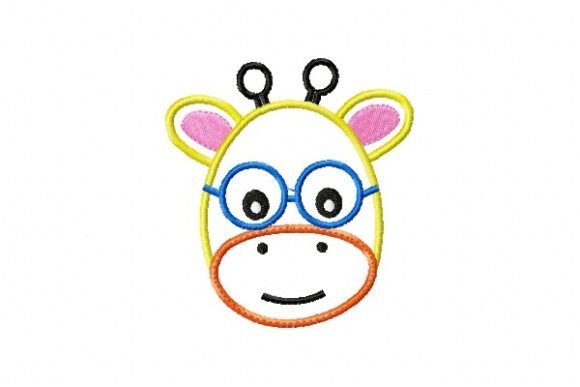
The first thing I notice about the Baby Giraffe Face is its inherent warmth. It does not try to be overly modern or minimalist; instead, it leans into a soft, approachable aesthetic. For a craft fair environment, this is crucial. Shoppers are often looking for items that evoke nostalgia or comfort. This design feels gentle and inviting, making it an excellent candidate for baby showers, first birthday gifts, and nursery decor.
When evaluating a design for a weekend market, I ask myself: "Can a customer understand what this is from three feet away?" The answer here is yes. The facial features of a giraffe are distinct, and when rendered in a cute, stylized manner, they create an immediate connection. It is not just an animal; it is a character. This emotional hook is what turns a browser into a buyer.
Product Applications: Where It Shines
While the description mentions children’s clothing, limiting this design to onesies would be a missed opportunity. In my experience, versatility drives profit. Here is how I would deploy this embroidery file across different product lines:
- Tote Bag Design: A canvas tote with the giraffe face centered creates a charming, reusable market bag. Parents love these for diaper bags or library trips. Ensure you use a heavy-duty stabilizer to prevent puckering on the loose weave of canvas.
- Apron Embroidery: Child-sized aprons are huge sellers during the holiday season. Placing the face on the bib area makes for a delightful gift set when paired with a matching kitchen towel.
- Tea Towel Embroidery: Linen or cotton tea towels offer a great texture contrast. However, be mindful of the fabric texture. If the towel is too plush, the details of the eyes and lashes might get lost. A flat-weave waffle towel is often a safer bet for clarity.
- Embroidered Patch: If you have the rights to create patches, this design works well as an iron-on accessory. Patches allow customers to customize their own jackets or backpacks, adding value without extra labor on your part.
- Pillow Covers: A neutral-colored pillowcase with this face in the corner adds a subtle touch of whimsy to a nursery. It appeals to parents who want themed decor that isn't overwhelming.
Production Practicality for Small Shop Owners
For an Etsy seller or boutique maker, time is money. The Baby Giraffe Face appears to be designed for efficiency. It likely functions well as a small accent rather than a massive, time-consuming focal point. This is ideal for batch production. You can hoop multiple items and run them through your machine while you handle other tasks, such as packaging or social media updates.
Photography is another critical factor. This design should photograph beautifully for online listings. The contrast between the typical yellow and brown tones of a giraffe and white or pastel fabrics creates a natural pop in photos. When creating a printable mockup or staging real-life shots, pair the finished product with natural elements like wood blocks or dried flowers to enhance the organic, handmade feel.
However, there are careful-use notes to consider. If the design includes tiny details, such as intricate eyelashes or small nostrils, you must check the stitch density. High density on stretchy fabrics like jersey knit can cause stiffness or tearing. Always test on scrap fabric first. Additionally, if you plan to stitch this on dark fabric, ensure the thread colors have enough contrast. A dark brown thread on a navy blue shirt might disappear, ruining the visual impact.
Visual Appeal and Brand Consistency
Consistency builds trust. If your brand focuses on Baby Animals and nature-inspired themes, this design fits seamlessly. It strengthens your booth display by adding variety without straying from your core aesthetic. When customers see a cohesive collection, they perceive higher quality and are more likely to buy multiple items.
The finished product value is also enhanced by the perceived cuteness. Buyers often justify higher price points for items that evoke strong positive emotions. A simple tote bag becomes a "keepsake" when adorned with a perfectly stitched, adorable giraffe face. This emotional elevation is key to standing out in a saturated market of generic handmade goods.
Technical Designer Notes
Before you commit to producing fifty units for your next fair, take these technical steps:
- Check Hoop Size: Verify the dimensions of the design. If it is too large for a standard 4x4 hoop, you may need to resize or use a larger hoop, which affects your production speed. The provided description does not specify exact dimensions, so check the file details before purchasing.
- Select the Right Stabilizer: For caps or curved surfaces, use a strong cut-away stabilizer. For woven towels, a tear-away might suffice, but test for residue. The curve of a cap can distort faces if not hooped correctly, so practice your tension settings.
- Thread Colors: Stick to a limited palette. Three to four thread colors usually provide enough depth without increasing thread breaks or color change times. Too many colors can make the design look cluttered at a small size.
- Commercial Licensing: Always confirm the license terms of the digital embroidery file. Ensure you have the right to sell finished products commercially. Never assume; always read the designer's terms.
- Mockups Matter: Create at least one real mockup on the actual product you intend to sell. Screen colors differ from thread colors. What looks vibrant on your monitor might look muted in cotton thread. Adjust your thread chart accordingly.
Final Verdict for Craft Fair Sellers
The Baby Giraffe Face is a strong contender for any spring or summer craft fair lineup. Its appeal crosses age groups, attracting both parents buying for children and adults looking for cheerful home accents. It is versatile enough to work on commercial embroidery projects like uniform patches for zoos or museums, yet personal enough for bespoke baby gifts.
Success with this design will depend on execution. Focus on high-quality fabric choices, precise stitching, and clear presentation. Use it to anchor a collection of small shop products that feel curated and thoughtful. By paying attention to stitch density, fabric texture, and visual contrast, you can transform this simple digital asset into a tangible revenue stream. Remember, in the world of handmade goods, it is not just about the stitch count; it is about the story the stitch tells. This giraffe tells a story of playfulness and care, and that is a story that sells.