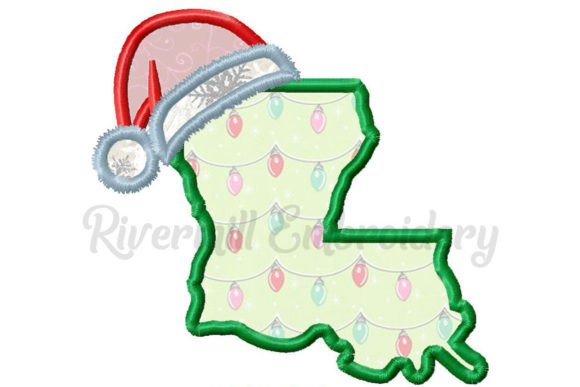
Reviewing the Applique Louisiana with Santa Hat Design
As a designer who spends more time staring at stitch maps than actual fabric, I have learned that not every machine embroidery design is created equal. Some look fantastic on a screen but turn into a tangled mess of thread breaks and puckering on the hoop. Others are workhorses—reliable, clean, and versatile. Recently, I pulled up the Applique Louisiana with Santa Hat to evaluate its potential for my upcoming holiday collection. This isn’t just a cute graphic; it is a strategic asset for anyone running a craft business or looking to add regional flair to their holiday embroidery lineup.
First Impressions: Regional Pride Meets Holiday Cheer
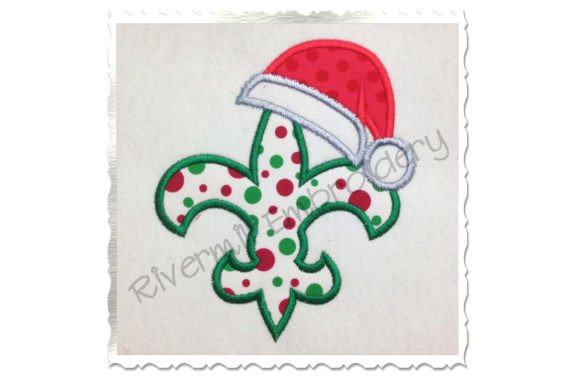
The immediate appeal of this applique design lies in its simplicity and thematic clarity. Combining the recognizable silhouette of Louisiana with a whimsical Santa hat creates an instant emotional connection. It feels cozy, festive, and proudly local. For Etsy sellers and boutique owners, this combination is gold. It targets a specific niche—Louisiana residents or expats looking for home-state pride during the Christmas season—without being overly cluttered.
Visually, the layout is balanced. The Santa hat sits atop the state outline in a way that feels natural, not forced. This matters because awkward placement often leads to stitching issues, especially when dealing with the curves of the state’s border. The design relies heavily on the applique technique, which means large areas of fabric cover the bulk of the shape. This is a smart choice for production efficiency. It reduces stitch count, minimizes thread usage, and speeds up machine run time, all while creating a textured, layered look that customers perceive as high-value.
Real-World Application: From Sweatshirts to Tote Bags
To truly test the viability of the Applique Louisiana with Santa Hat, I imagined it on several different substrates. My primary test case was a heather grey crewneck sweatshirt. This is a staple item for any small shop product line in the winter months. The applique method works beautifully here. By using a contrasting red felt or flannel for the Santa hat and a solid color for the state outline, the design pops against the grey background. The satin stitch borders hold the fabric pieces down securely, preventing fraying even after multiple washes.
I also considered this design for a canvas tote bag design. Canvas is thick and can be unforgiving if a design is too dense. However, because this is an applique, the density is low. The machine mostly runs a running stitch for placement and a satin stitch for edging. This prevents the "cardboard effect" where stiff embroidery makes a bag uncomfortable to carry. For personalized gift ideas, imagine adding a name below the state outline. The open space beneath the Louisiana shape provides ample room for monogramming without crowding the main graphic.
Another strong contender is baby apparel. A onesie or burp cloth featuring this design makes for an adorable baby embroidery project. Parents love regional themes, and the soft texture of applique is gentle against sensitive skin. Just ensure you use soft, non-irritating fabrics for the applique pieces themselves.
Technical Considerations for the Embroiderer
While the design is user-friendly, there are technical nuances to consider before hitting "start" on your machine. Since the product description notes that it comes in multiple sizes and formats, you must verify the hoop size compatibility with your specific machine. Always check the dimensions of the largest size provided in the digital embroidery file package to ensure it fits your hoop without resizing, which can distort stitch angles.
Stabilizer choice is critical. Even though applique is less dense than full-fill designs, the satin stitch edges require stability to prevent puckering. I recommend a medium-weight cut-away stabilizer for stretchy fabrics like t-shirts and sweatshirts. For woven fabrics like tote bags or aprons, a tear-away might suffice, but a cut-away ensures longevity. Remember, a finished product that looks great on day one but puckers after washing will hurt your brand reputation.
Thread selection also plays a pivotal role. The contrast between the applique fabric and the satin stitch border defines the design. If you choose a thread color that blends too much with the fabric, the details will get lost. Conversely, a high-contrast thread can highlight any imperfections in your fabric placement. I suggest testing on scrap fabric first. Check your thread colors against both light and dark backgrounds. A white satin stitch on a white applique might disappear, whereas a silver or light grey could provide just enough definition.
Navigating Fabric Textures and Challenges
Not every fabric is a perfect candidate. While the design is versatile, you should exercise caution with highly textured fabrics like thick wool or loose-weave linens. The stitch density of the satin border needs a smooth surface to lay flat. On rough textures, the stitches might sink in or fail to catch the fabric edges properly. Similarly, avoid using this on very thin, slippery fabrics like silk or chiffon unless you are an experienced embroiderer with specialized stabilizers. The hoop tension required for applique can distort delicate materials.
Curved surfaces, such as caps, present another challenge. The Louisiana shape has irregular curves. Placing this on a structured cap requires careful hooping and possibly a foam backing to keep the design raised and visible. Ensure the design size is appropriate for the front panel of the cap; scaling it down too much might make the satin stitches too narrow to cover the raw edges of the applique fabric, leading to fraying.
Commercial Value and Brand Consistency
For commercial embroidery professionals, the Applique Louisiana with Santa Hat offers a strong return on investment. Applique designs generally stitch out faster than full-fill designs, allowing you to produce more units in less time. This efficiency translates directly to better profit margins. Furthermore, the handmade aesthetic of applique appeals to buyers looking for authentic, artisanal goods rather than mass-produced prints.
When listing this as a custom apparel item or an embroidered patch, highlight the quality of the finish. Use high-resolution photos that show the texture of the fabric and the neatness of the satin stitches. If you are selling the embroidery file itself, provide clear instructions on recommended fabric types and stabilizer choices. This adds value to your design assets and builds trust with your customers.
Before selling any finished items, always confirm the licensing terms associated with the design. Most designers allow commercial use for finished physical products, but restrictions may apply to digital resale. Respect intellectual property rights to maintain professionalism in the crafting community.
Final Verdict: A Solid Addition to Your Holiday Lineup
The Applique Louisiana with Santa Hat is a well-conceived design that balances aesthetic charm with practical embroidery mechanics. It is not just a seasonal novelty; it is a versatile tool for creators. Whether you are making a printable mockup for your online store or stitching a last-minute personalized gift, this design delivers. It respects the constraints of the machine while maximizing visual impact.
My advice? Download the files, check your formats, and run a test stitch on your most common fabric type. Pay attention to how the satin stitch covers the edges and how the fabric lays flat. With proper preparation, this design can become a bestseller in your small business this holiday season. It captures the spirit of Christmas and the pride of Louisiana in a single, stitchable package.