Gingerbread Cottage 1: A Designer’s Review
As an embroidery designer who has spent countless hours hooping fabrics and tweaking tension settings, I approach every new machine embroidery design with a mix of excitement and skepticism. We all know that a digital preview can look flawless on a screen, but the true test lies in the thread count and fabric interaction. Recently, I had the opportunity to test Gingerbread Cottage 1, a charming pattern intended for the holiday season. My goal was not just to admire the aesthetics, but to evaluate its viability for a personalized gift shop environment. Could this design hold up on a baby blanket? Would it elevate a simple kitchen towel into a high-end handmade product? Here is my practical review from the perspective of someone preparing for real customer orders.
First Impressions: Mood and Charm
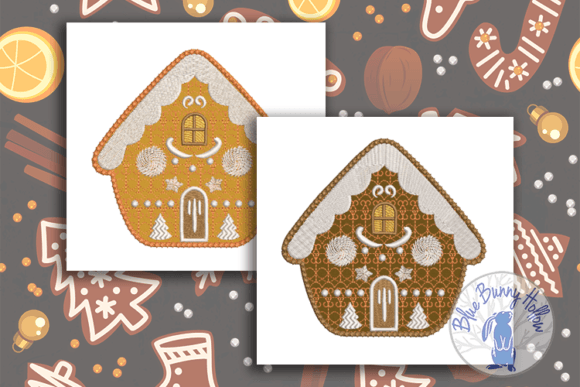
The moment I loaded the digital embroidery file into my software, the immediate impression was one of warmth and nostalgia. Gingerbread Cottage 1 does not scream for attention with loud, neon colors; instead, it whispers of cozy winters and family traditions. The description highlights intricate decorative stitches, and upon closer inspection, this claim holds true. The design features a sweet holiday cottage brought to life through varied stitch types that add texture and depth.
The use of white thread, as suggested in the product details, creates a striking contrast against darker backgrounds, evoking the feeling of fresh snow resting on a roof. This aesthetic is both classic and elegant. It feels less like a cartoonish clipart and more like a delicate illustration. For an Etsy seller or small business owner, this mood is crucial. It appeals to customers looking for sophistication rather than just novelty. The emotional appeal is strong; it triggers memories of childhood holidays, making it an excellent candidate for heirloom-quality items.
Versatility Across Product Lines
One of the most significant factors when selecting a design for a commercial catalog is versatility. Gingerbread Cottage 1 demonstrates remarkable adaptability across various substrates. During my testing phase, I considered several applications where this design could thrive as a personalized gift.
- Kitchen Linens: An embroidered towel featuring this cottage makes for a delightful hostess gift. The white thread pops beautifully against deep red, forest green, or navy blue linen.
- Nursery Decor: For baby embroidery, this design works well on neutral-toned blankets. It offers a whimsical yet gentle imagery that fits perfectly in a winter-themed nursery.
- Home Accents: A pillow cover with this motif adds a seasonal touch to living room decor without being overly thematic, allowing it to remain relevant throughout the winter months, not just December.
- Apparel and Accessories: Imagine this stitched onto a canvas tote bag or a high-quality apron. It transforms a utilitarian item into a small shop product with perceived high value.
For wedding gift designers, while the theme is Christmas-centric, the "cottage" aspect can be leveraged for couples who love cozy, rustic aesthetics. Paired with personalized names or a date in a complementary font, it becomes a unique keepsake for a winter wedding.
Technical Considerations and Fabric Challenges
While the design is visually appealing, practical application requires careful attention to detail. As experienced crafters know, intricate decorative stitches can pose challenges depending on the fabric texture and stitch density. Here are specific areas where caution is advised when using Gingerbread Cottage 1.
Fabric Selection and Stabilizer: The intricate nature of the cottage means there are likely many small jumps and detailed fill areas. On textured fabrics like thick terry cloth towels, these small details might get lost or puckering may occur if the stabilizer is not robust enough. I strongly recommend using a cut-away stabilizer for items that will undergo frequent washing, such as baby clothes or kitchen towels. For woven fabrics like cotton or linen used in pillow covers, a tear-away might suffice, but always test first.
Thread Contrast and Visibility: The design relies heavily on the visual impact of the stitches. If you choose to deviate from the suggested white thread, ensure your thread colors have sufficient contrast against the background fabric. Stitching white-on-white can look elegant but may lack definition in low light. Conversely, stitching dark threads on dark fabrics will render the intricate details invisible. Always create a printable mockup or stitch out a sample on scrap fabric before committing to a final finished product.
Curved Surfaces and Stretchy Materials: Be cautious when applying this design to stretchy baby clothes or curved surfaces like mug cozies. The density of the decorative stitches may cause the fabric to pull or distort if the hoop tension is not perfectly balanced. Verify the recommended hoop size provided with the file to ensure the design fits comfortably without needing excessive re-hooping, which can lead to alignment issues.
Enhancing Giftability and Perceived Value
From a business standpoint, Gingerbread Cottage 1 is a powerful tool for increasing perceived value. In the world of commercial embroidery, customers are not just buying a stitched item; they are buying an emotion. This design fosters an emotional connection through its nostalgic charm. When photographed correctly, perhaps alongside sprigs of pine or cinnamon sticks, it enhances product photography significantly. High-quality images of this design on a plush blanket or a crisp apron can drive buyer engagement and justify a higher price point.
For custom embroidery services, offering this design as part of a holiday collection builds customer trust. It shows that you curate high-quality, thoughtful designs rather than using generic, low-resolution patterns. The handmade quality evident in the intricate stitches reassures buyers that they are receiving a premium handmade product.
Practical Steps Before You Sell
Before listing items made with Gingerbread Cottage 1 on your online store, follow these essential steps to ensure professional results:
- Check Licensing: Confirm the commercial licensing terms associated with the embroidery file. Ensure you have the right to sell finished products made with this design.
- Test Stitch Out: Always stitch the design on the exact fabric type you intend to sell. Check for thread breaks, bird nests, or registration issues.
- Review Details: Examine the small details after stitching. Are the windows of the cottage clear? Is the roofline distinct? If details are muddy, adjust your tension or switch to a finer needle.
- Mockup Variations: Create visuals showing the design on both light and dark fabrics. This helps customers visualize the versatility of the personalized gift options.
- Wash Testing: Wash and dry your test piece to ensure the design holds up to laundering without significant shrinkage or thread fraying.
In conclusion, Gingerbread Cottage 1 is a delightful addition to any Christmas themed Embroidery collection. It balances charm with technical intricacy, offering ample opportunity for creative expression. By understanding its strengths and respecting its technical requirements, you can create stunning, memorable gifts that resonate with customers seeking warmth and tradition in their holiday decor. Whether you are a seasoned Etsy seller or a novice crafter, this design invites you to slow down and appreciate the art of the stitch.